Water is the quietest part of an office —
and one of the most important.
Every cup of tea, every smoothie, every water bottle on the side desk starts here.
In an Oasis-Office, the water is filtered at the source. A reverse osmosis system takes ordinary tap water and removes dissolved solids, chemicals, heavy metals and bacteria. What comes out is pure, soft and clean — a calm base for everything else we serve.
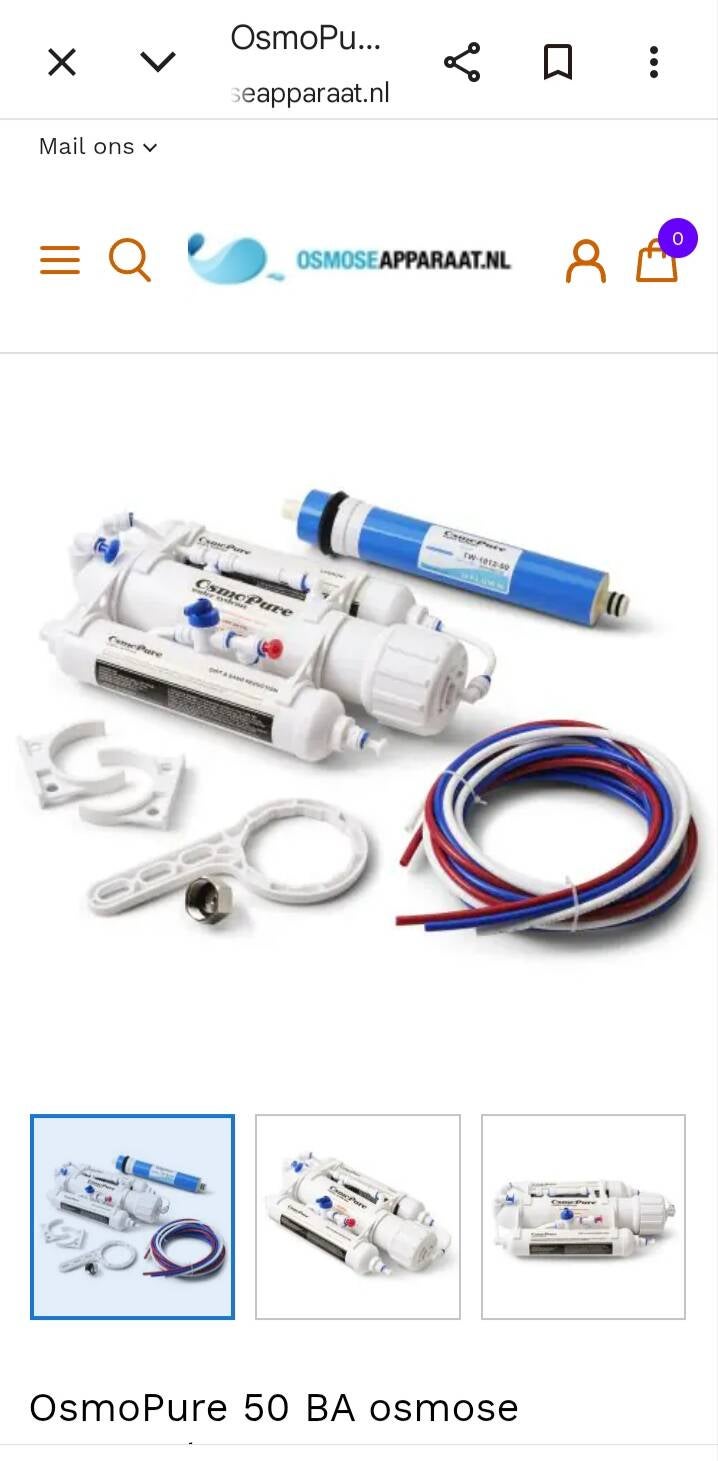
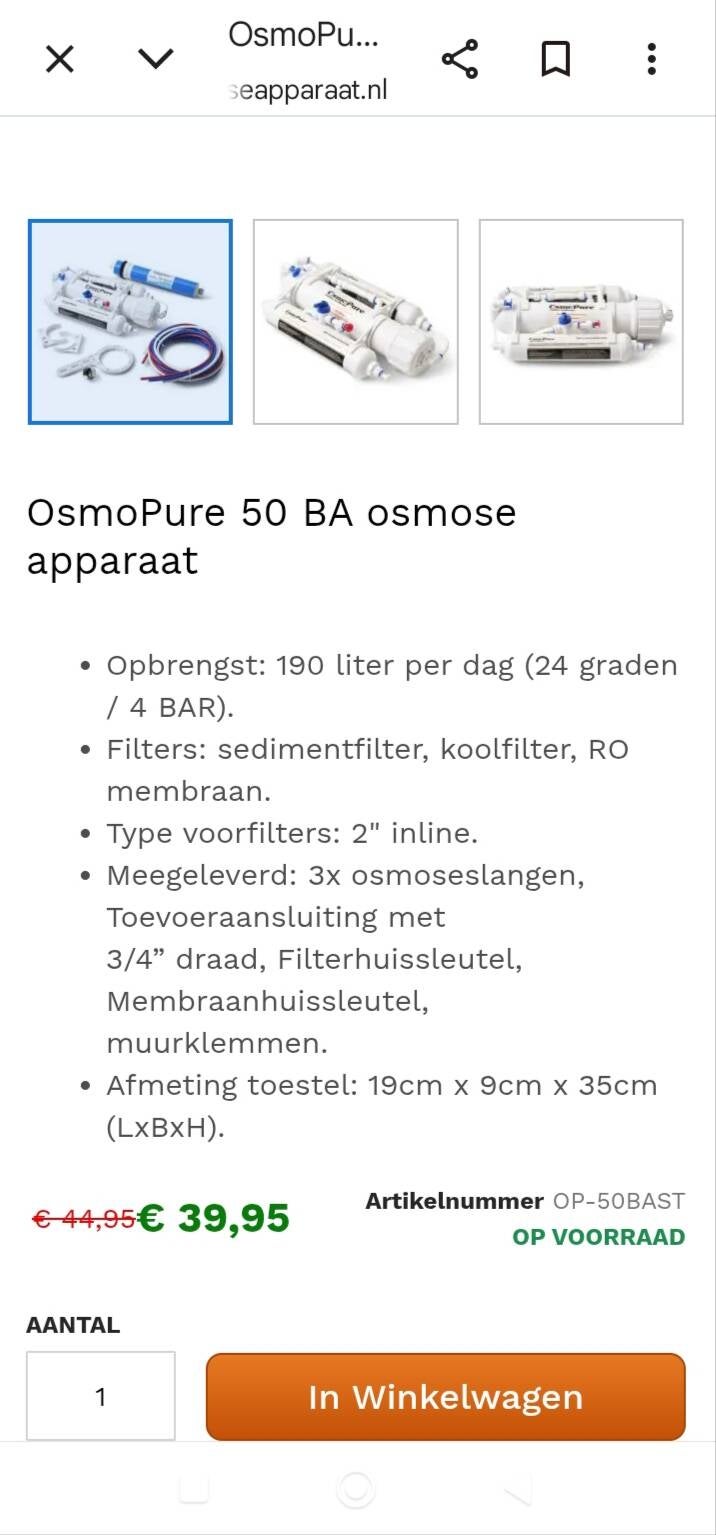
This page explains how reverse osmosis works, how it differs from natural osmosis, and what happens inside the filter, step by step. It also shows the system we use, from Osmoseapparaat.nl — simple to connect, easy to maintain, and built with quality membranes.
Good water supports good days. Start with the source.
Learn here how reverse osmosis water filters work and why clean, pure water is the foundation of a healthy Oasis-Office workplace.
Clean water is where hydration begins. See how we drink it through the day — copper bottle, electrolyte water, herbal tea at the unwinding hour — on the Pillar 4 hydration page.
https://www.oasis-office.org/learn-hub/pillar-4-menu/pillar-4-hydration
Clean water, from the first tap
Reverse osmosis water filters
from the Osmoseapparaat.nl house brand are high-quality, very affordable water filters that are directly connectable and easy to use. On this page, you will find simple devices without extras as well as very complete water filters. We always ensure the best materials and supply them standard with the excellent OsmoPure membranes.
What is Reverse Osmosis?
Reverse osmosis (RO) is a water purification process where water is forced under pressure through a semipermeable membrane in the opposite direction of natural osmosis.
• The waste water: The trapped contaminants are flushed away in a separate waste water stream, leaving behind pure water (osmosewater).
Key Factors Affecting Flow and Quality
• Working Pressure: Higher pressure gives a higher water yield and better purification.
• Temperature: Higher temperature increases yield, but reduces purification quality.
Osmosis vs. Reverse Osmosis
Feature Natural Osmosis Reverse Osmosis (RO)
Water Direction Moves from low to high solute concentration Forced from high to low solute concentration
Energy Needed None (passive natural process) Requires pressure (home water line or booster pump)
Main Uses Biological systems (like plant cell water absorption) Purifying drinking water, desalination, and industry
Osmosis Filtration Does not actively filter out contaminants Removes up to 95–99% of dissolved solids and bacteria
Why is Reverse Osmosis Important?
• It is one of the most effective methods to clean dirty or salty water into safe, clean drinking water.
• It is widely used in home filtration systems, commercial plants, and seawater desalination projects in areas with water shortages.
How it works:
- Pressure pushes it the other way—from a high concentration area to a low concentration area.
- The filter: A special semipermeable membrane lets tiny water molecules pass through while blocking larger particles, salts, chemicals, heavy metals, bacteria, and other impurities
Removes up to 95–99% of dissolved solids and bacteria
Good reverse osmosis water is produced using a high-quality reverse osmosis system.
The Process
• Tap water entry: The process begins with regular tap water.
• Pre-filtration: Water flows through initial filters—at least one sediment filter and one carbon filter—to remove larger particles like sand, dirt, and chlorides.
• Reverse osmosis membrane: Water is forced under pressure through a special, semi-permeable filter membrane.
• Particle separation: The membrane pores are so fine that they let only water molecules pass through, trapping larger particles like limescale (kalk), salts, heavy metals, and chemicals behind.
• Purified water: The clean water emerging from the other side is known as reverse osmosis water.