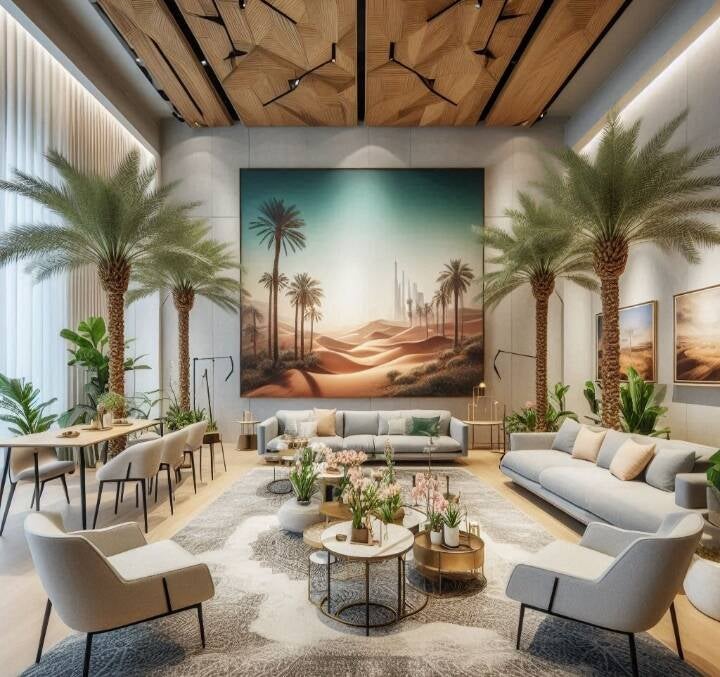
Office Analysis Checklist — Workspace Optimization Guide
Great work thrives in great spaces.
Your office environment shapes focus, energy, well-being, and performance. Yet most workplaces are designed by accident—not intention.
This checklist changes that.
We observe. We list. We act.
The checklist below serves as your compass for evaluating every dimension of your workspace—from layout and lighting to air quality and flow. It's not a final blueprint; it's a starting point for transformation.
Use it to tune in, observe, and elevate.
Every detail matters. Great spaces aren't just built—they're felt.
The 21 Factors: Your Office Analysis Compass
1. Layout & Space Utilization
Layout shapes flow. A smart arrangement balances open collaboration with focused zones, optimizes movement, and uses space intentionally—so every corner serves purpose, comfort, and connection.
Assess the physical arrangement of workspaces, common areas, and meeting rooms. Where can multiple functional spaces be designed within your layout? How efficiently is every square meter working for your team?
2. Ergonomics
Ergonomics is care in design. Supportive chairs, adjustable desks, and properly aligned workstations prevent strain, boost comfort, and promote long-term health—so you can work well, without wear.
Evaluate the comfort and safety of chairs, desks, and other office furniture. Can your team adjust their setup throughout the day? Are wrists, backs, and necks properly supported?
3. Natural Light
Natural light is ideal—it supports circadian rhythms, mood, and focus. It regulates your body clock, sharpens clarity, and brings vitality into the space.
Examine the availability of natural light throughout your office. Where are windows positioned? How much direct sunlight reaches work areas? Which zones feel dark or disconnected from daylight?
4. Artificial Lighting
When natural light isn't available, warm-toned, full-spectrum LEDs with high CRI (Color Rendering Index) are best—they mimic daylight, reduce glare, and create a calm, balanced ambiance.
Traditional TL (fluorescent) lighting causes eye strain, fatigue, and a cold, harsh atmosphere. Assess your current artificial lighting. Are the color temperatures warm or clinical? Do people squint or feel drained under these lights?
5. Temperature & Climate Control
Comfort lives in balance. A well-regulated temperature—neither too hot nor too cold—supports focus, energy, and well-being. Stability here keeps bodies at ease and minds sharp.
Is your office too warm or too cold? Can different zones maintain different temperatures? Do people remove layers or shiver at their desks?
6. Noise Levels & Acoustics
Calm minds need calm sounds. Balanced acoustics, quiet zones, and sound-absorbing materials help maintain focus, reduce stress, and support clear thinking.
Assess the ambient noise and potential distractions in your workspace. Are there phone calls bouncing across the room? Can people concentrate, or is it a constant hum of interruption? Do you have quiet zones for deep work?
7. Air Quality & Ventilation
Fresh air boosts oxygen flow, sharpens focus, and regulates mood naturally. Real ventilation connects us to the outdoors, supports immunity, and keeps minds alert.
Evaluate your ventilation, humidity, and overall air quality. Is the air fresh and circulating, or stale and recirculated? Does the space feel alive or heavy?
Air conditioning can dry the air, circulate allergens, and dull energy—fresh air circulation is far superior.
8. Cleanliness & Hygiene Systems
Cleanliness is care made visible. A well-maintained office with clear cleaning systems reduces germs, boosts well-being, and creates a respectful, focused atmosphere.
Examine the overall cleanliness of your office. Are there documented cleaning systems? Do surfaces feel cared for? Is there a culture of tidiness, or does clutter accumulate?
9. Clutter & Organization
Clutter clouds focus. A clean, organized workspace clears mental fog, reduces stress, and invites fresh energy—making room for clarity, creativity, and calm.
Smart storage = clear mind. Are storage systems for supplies, files, and personal belongings well-organized? Can people find what they need? Does the space breathe, or does it feel crowded?
10. Aesthetics & Visual Harmony
Aesthetics shape energy. A visually harmonious workspace—balanced colors, natural materials, intentional design—enhances mood, focus, and creativity. It's not just pretty; it's purposeful.
Review the visual appeal and overall ambiance. Do the colors support calm and focus, or do they clash? Are materials natural or synthetic? Is the space cohesive, or does it feel disjointed?
11. Color Psychology
Color shapes mood. Use them mindfully to create spaces that calm, motivate, or uplift—on purpose, not by accident.
— Blue soothes and supports calm focus
— Green inspires growth and connection to nature
— Earth tones ground and stabilize
— Red ignites energy, good luck, and prosperity
— White creates clarity and openness
What colors dominate your space, and what energy do they evoke?
12. Technology & Connectivity
Tech should empower, not interrupt. Assess Wi-Fi reliability, device accessibility, and seamless video/audio tools—smooth tech enables focus, collaboration, and effortless flow.
Do people struggle with connectivity? Are there dead zones? Is video conferencing reliable? Does technology support your work, or does it create frustration?
13. Privacy & Focus Zones
Privacy fuels focus and trust. Quiet nooks, soundproof pods, or dedicated rooms allow deep work and confidential talks—essential for concentration, comfort, and psychological safety.
Evaluate the availability of private spaces. Can people have uninterrupted focus time? Are there rooms for sensitive conversations? Or is everything open and exposed?
14. Accessibility & Inclusivity
True inclusivity starts with access. Ramps, wide doorways, adjustable desks, and intuitive design ensure everyone—regardless of ability—can move, work, and thrive with dignity.
Consider the ease of access for employees with disabilities or special needs. Can wheelchair users navigate freely? Are adjustable workstations available? Is the design welcoming to all bodies?
15. Flow & Movement
Flow shapes function. Thoughtful placement of furniture, tools, and pathways reduces friction, saves energy, and creates a workspace that guides movement naturally—smooth, intuitive, and stress-free.
Are there areas where items could be repositioned to improve flow? Do people move freely, or do they navigate around obstacles? Does the space feel open or congested?
16. Dead Angles & Sharp Corners
Dead angles and sharp corners can create tension—literally and energetically. Soften them with plants, rounded furniture, or crystals to guide energy flow, reduce stress, and bring balance to the space.
Scan your office for sharp corners pointing at workspaces or gathering areas. Where can you introduce curves, plants, or soft elements to ease the energy?
17. CEO Positioning & Commanding Space
The commanding position—known in feng shui as Po Xian—places your main work area facing the door with a solid wall behind, creating a sense of safety, control, and focus. It minimizes distractions and supports confidence, decision-making, and calm authority.
Is your primary workspace positioned to see who enters? Is there a solid wall at your back? Does the position feel secure and focused, or vulnerable and exposed?
18. Five Elements Balance (Feng Shui)
Incorporate the five Feng Shui elements—wood, fire, earth, metal, and water—to balance the space and promote positive energy flow.
— Wood: Plants, wooden furniture—growth and vitality
— Fire: Lights, candles, red tones—warmth and energy
— Earth: Ceramics, stones, earth colors—grounding and stability
— Metal: Metal frames, white/gray tones—clarity and precision
— Water: Fountains, water features, blues—flow and calm
Does your space feel balanced across these elements, or is one dominating?
19. Entryway & First Impression
First impressions flow from the entrance. A warm, welcoming entryway—clean, bright, and thoughtfully styled—sets the tone: calm, confident, and open. It's where energy enters—make it count.
Create an inviting entryway and reception area that attracts positive energy and leaves a lasting impression on clients and visitors. What feeling does someone have when they walk in?
20. Plants & Living Elements
Plants breathe life into workspaces—cleaning the air, easing stress, and boosting vitality. They're not just decor; they're living allies in well-being and focus.
By weaving greenery throughout your space—from desks to corners to walls—you bring nature indoors. Are there plants in your office? Do they feel alive and tended to, or absent?
21. Artwork & Imagery
Select artwork and imagery that inspires creativity, motivation, and success. Avoid pieces that may evoke negative emotions or distract from purpose.
Does the artwork on your walls support the energy you want to create? Does it inspire, or does it feel disconnected?
How to Use This Checklist
Think of this as a diagnostic tool, not a judgment.
Go through each factor. Notice which areas light up for you—which feel alive, intentional, and aligned. Notice which feel neglected, mismatched, or stuck.
The gaps you see? Those are your opportunities.
Start with one or two high-impact changes. Maybe it's adding plants. Maybe it's repositioning desks for better flow. Maybe it's upgrading lighting or creating a quiet focus zone.
Small shifts compound. One change influences the next. Over time, your office transforms from a space that happens to exist into a sanctuary where people and work thrive.
Ready for a Professional Analysis?
This checklist is powerful as a self-guided tool. But sometimes, a fresh set of eyes—someone trained to see what's working and what's blocking—makes all the difference.
At Oasis-Office, we provide comprehensive workplace audits tailored to your organization. We observe, we listen, we design.
The result? A workspace that boosts focus, well-being, and performance.
[Book Your Office Analysis →]
Analyst & Stylist: Mrs. Nicole Waasdorp — NiWa
Holistic Physiotherapist | Raw Superfood Specialist | Autonomous Artist | Workplace Design Consultant
©2026 Oasis-Office. All rights reserved.
Internal Linking & Navigation Suggestions
— Link to Pillar 1: Ambiance for deeper exploration of workspace design
— Link to How It Works for the full Oasis-Office methodology
— Link to Contact/Book for consultation CTA
— Consider creating a downloadable PDF version of this checklist as a lead magnet
SEO Notes
Primary Keywords: office analysis checklist, workspace optimization, office assessment, productivity checklist, workplace transformation, feng shui office
Secondary Keywords: office layout, ergonomic workspace, office lighting, air quality checklist, workplace design, office culture
Meta Title (60 chars): Office Analysis Checklist — Workspace Optimization Guide
Meta Description (155 chars): Evaluate your workplace with this 21-point office analysis checklist. Discover what's working, what needs improvement, and how to transform your space.
H1: Office Analysis Checklist — Transform Your Workspace Into a Thriving Environment
Internal Links: 3–4 to other Oasis-Office pages (Pillar 1: Ambiance, How It Works, Book consultation)
Call-to-Action: Clear booking/consultation CTA at the end of content
