PILLAR 1: AMBIANCE
Design That Says "We Value You"
---
WHERE YOU WORK MATTERS
Physical space isn't decoration. It's a message.
When you walk into a corporate office with fluorescent lights, gray walls, and no windows, the message is clear: maximize output, minimize cost. Extract.
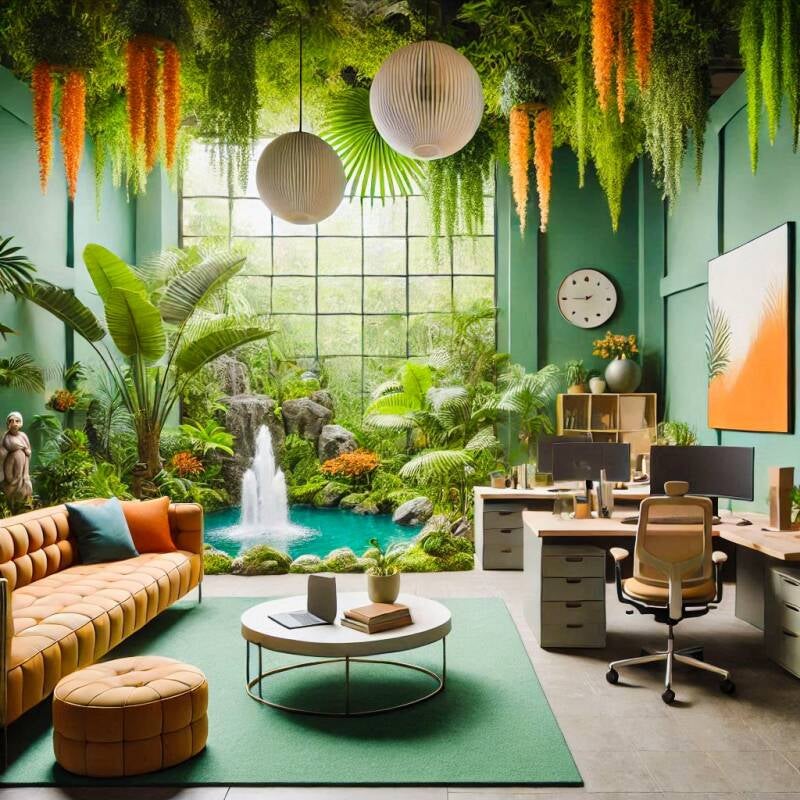
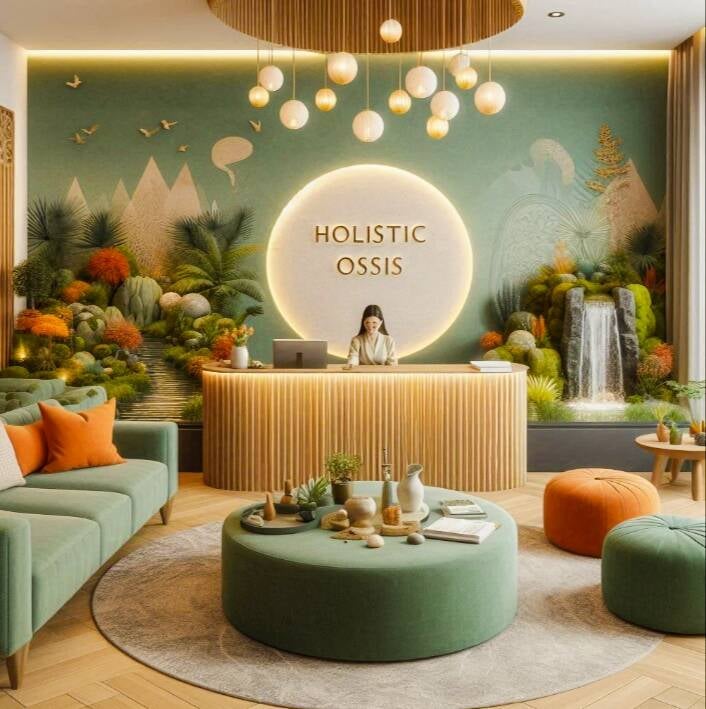
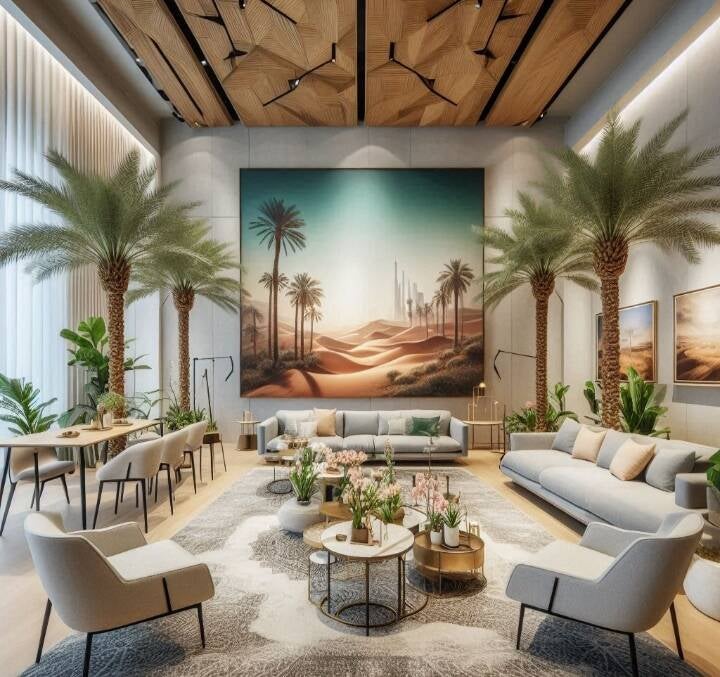
When you walk into a space filled with natural light, living plants, water elements, and thoughtful furniture, the message shifts: we care about where you spend your hours. We believe your environment shapes your energy. We designed this for you.
This is ambiance.
Not luxury.
Intention.
The spaces we inhabit shape how we think, how we feel, how we recover.
Neuroscience confirms what our bodies already know. Natural light regulates circadian rhythms. Plants purify air and calm the nervous system. Water elements reduce stress. Soft textures and warm colors signal safety.
Ambiance is the first pillar because it's the foundation. Everything else — rhythm, nourishment, movement, connection — unfolds in a space designed with care.
---
BIOPHILIC DESIGN: BRINGING NATURE INSIDE
Biophilia is the human need for connection to nature. It's not a preference. It's wired into us.
Spaces that incorporate natural elements don't just look better. They measurably improve focus, reduce cortisol, and deepen the sense of calm.
Natural Light Maximized
Fluorescent overhead lights are the enemy of wellbeing. They disrupt circadian rhythms, create eye strain, and drain energy by afternoon.
Natural light is non-negotiable. Windows positioned so everyone has access — not just corner offices. If full southern exposure isn't possible, north-facing light is still far superior to fluorescent. Skylights. Light shelves. Glass interior walls that allow light to penetrate deeper into the workspace.
The goal: everyone can see the sky during their workday. This single change transforms energy and mood.
Living Plants and Air Purification
Green plants aren't decoration. They purify air, reduce CO2, increase humidity, and create a psychological sense of aliveness.
Strategy: Plants at every scale. Large floor plants that define zones and create visual interest. Medium plants on shelves and desks. Small succulents in focused work areas. Rotating seasonal plants so the space stays alive and changing.
Choose plants that thrive in your climate and light conditions. Struggling plants are depressing. Thriving plants lift the entire room.
Water Elements and Natural Textures
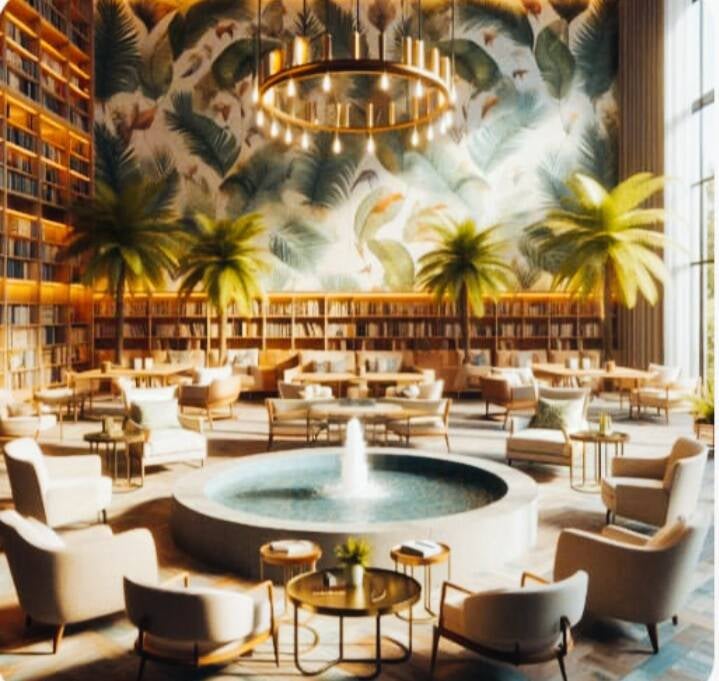
The sound and presence of water — a fountain, a small stream, water features — activates the parasympathetic nervous system. It signals safety.
Natural materials matter too. Wood, stone, unfinished metals, natural fabrics. These textures tell your nervous system: this is real. This is alive. Not synthetic. Not extracted from the earth and plasticized.
Outdoor Access and Gardens
If possible, direct access to outdoor space changes everything. A small garden, a courtyard, a rooftop area where people can step outside during breaks.
If outdoor access isn't possible, large windows and views of nature — or a living wall (vertical garden) — creates a sense of connection to the living world.
Gemstones and Nature Integration
Crystals and gemstones carry the Earth's energy. Amethyst for calm. Rose quartz for connection. Black tourmaline for grounding. Citrine for clarity.
This isn't spiritual bypassing. It's recognizing that humans respond to beauty and natural materials at a cellular level. A piece of raw quartz on a desk or in a communal space adds aesthetic intention and energetic support.
---
FUNCTIONAL ZONES: DESIGN FOR DIFFERENT RHYTHMS
Not all work requires the same environment. The office needs zones designed for different tasks and states.
Calm Spaces: Reading, Reflection, Rest
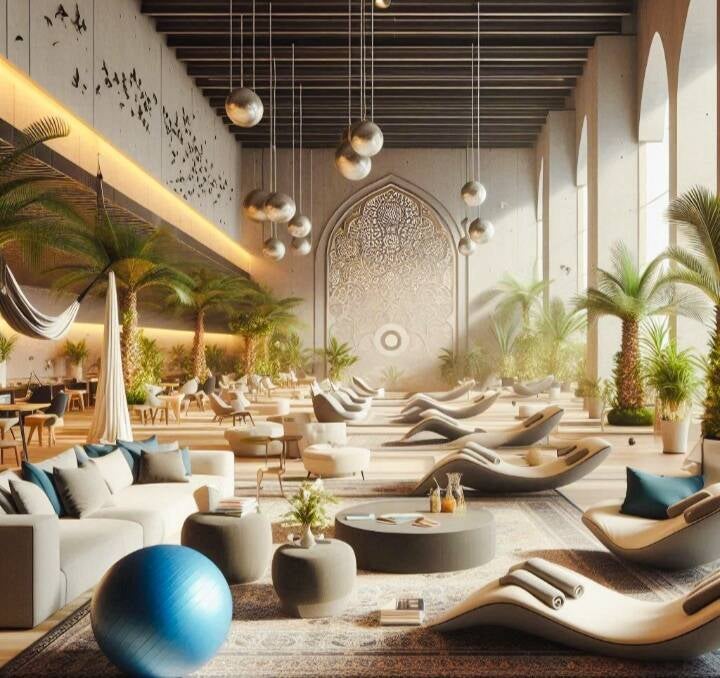
A quiet corner with comfortable seating. A room for meditation or breathwork. A rest area with a zero-gravity chair or cushions where people can close their eyes for 20 minutes.
These aren't luxuries. They're recovery spaces. A 20-minute rest dramatically restores focus. A quiet space to read or think prevents the constant interrupt-driven pace that burns people out.
Include: soft lighting, comfortable seating, minimal visual clutter, sound dampening, and natural elements (plants, water, scent).
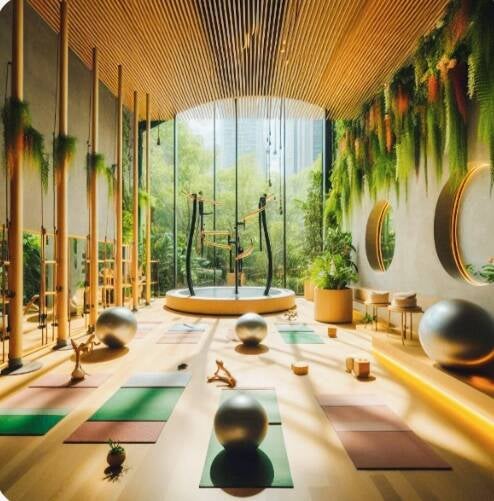
Movement Zones: Circuits, Stretching, Activity
A dedicated area where people can stretch, move, and activate their bodies without self-consciousness.
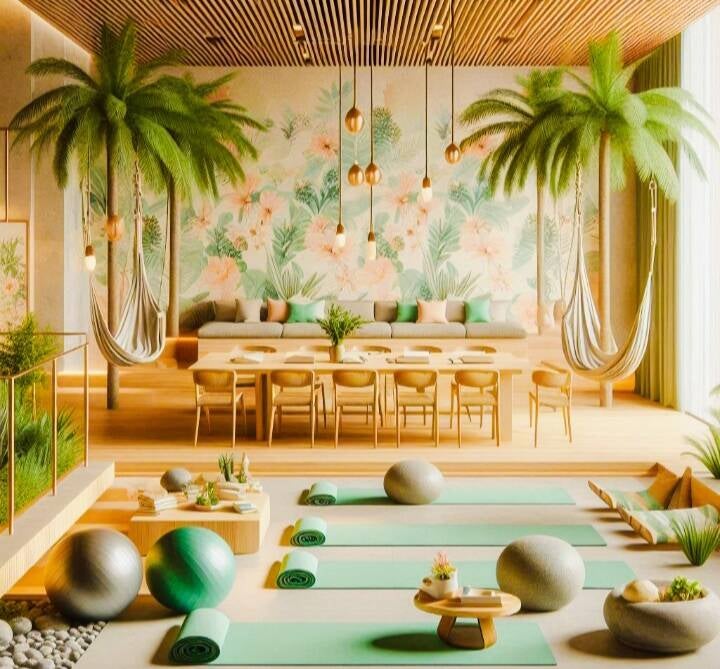
Include: yoga mats, foam rollers, resistance bands, pull-up bar if space allows, and clear floor space. A printed circuit of 5-minute movement sequences keeps it simple.
This zone signals: movement is part of work. Energy management is part of work. Your body matters.
Deep Work Areas: Quiet, Distraction-Free
Quiet zones for focused work. Individual pods, small rooms, or a section of the office with sound dampening, reduced visual stimulation, and single-occupant desks.
These are sacred during deep work hours (typically 9–11 am). No meetings. No interruptions. No Slack notifications.
Include: noise-canceling capabilities, minimal decor, natural light if possible, and a clear "deep work in progress" indicator.
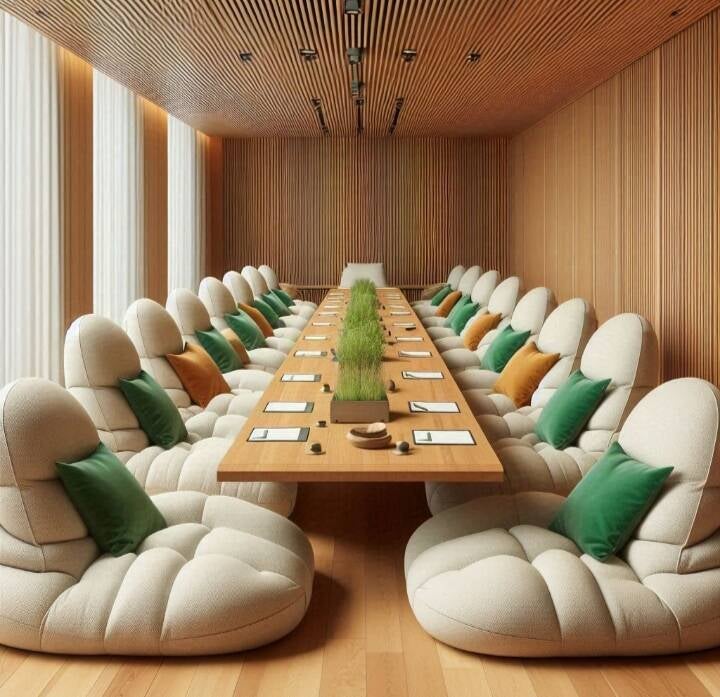
Community Spaces: Connection, Meals, Gathering
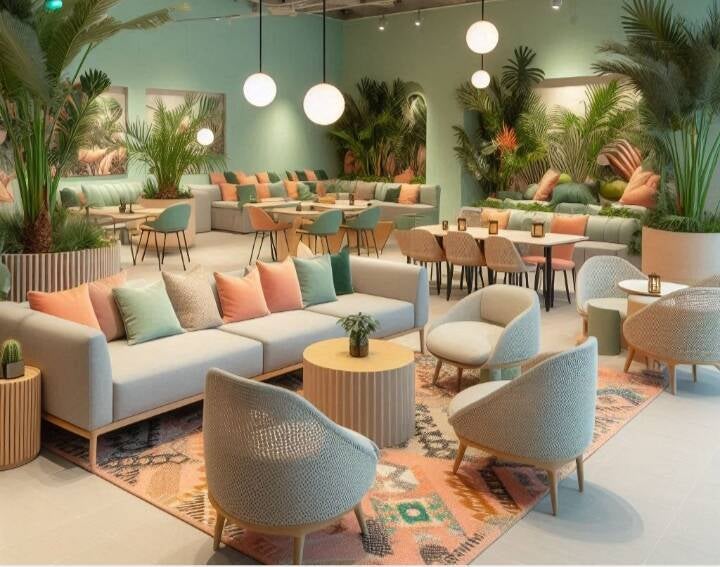
Spaces designed for people to gather, eat, laugh, and build relationship. Long tables (not individual chairs), communal cooking setup if possible, comfortable seating areas.
This is where the non-hierarchic larder lives — where everyone makes their own coffee and meal, where the CEO sits next to the newest hire. Intentionally designed for connection, not extraction.
Kitchen and Nourishment Zone
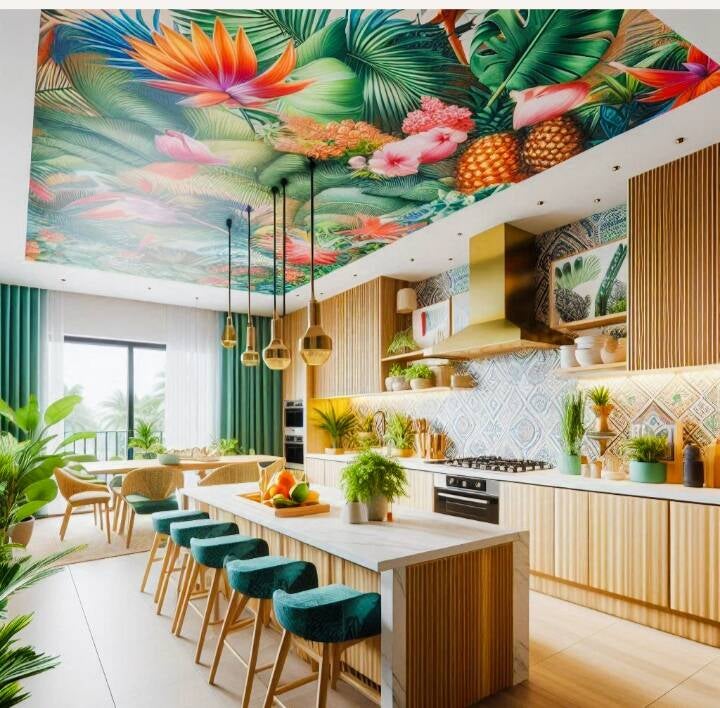
A real kitchen, not a break room with a microwave. Space to prepare whole food, steep tea, blend smoothies. Beautiful serving vessels. Fresh water systems (filtered, not plastic bottles).
This is part of Pillar 4 (Quality Nourishment) but it lives physically here. The space itself says: what you eat matters. How you nourish yourself matters.
---
AESTHETIC INTENTION: DESIGNED, NOT DEFAULTED
Every detail creates feeling. Default is beige corporate. Intention is care.
Vintage, Retro, and Antique Furniture
Furniture with character — repurposed, vintage, or antique pieces — creates warmth and uniqueness. Not everything needs to match. Real spaces have layers and history.
This also resists the disposable culture. Solid wood chairs that last 50 years beat cheap mesh chairs replaced every 3 years. Sustainability meets beauty.
Feng Shui Principles
Balance. Flow. The positioning of objects and furniture that supports ease and natural movement through space.
Basic principles: clear pathways (not cluttered), natural light unobstructed, sitting position with a view of the door (sense of control and safety), water elements in the wealth/abundance corner, plants in the health corner.
This isn't superstition. It's environmental psychology applied through ancient wisdom.
Gemstones and Nature Integration
Crystals and gemstones carry the Earth's energy and vibration. They're not superstition — they're tools that humans have used for thousands of years to support specific intentions and states.
In the workplace, strategic placement of gemstones creates subtle energetic support for the culture and individuals you're building.
- Amethyst for Calm and Clarity
Purple amethyst clusters placed in communal spaces, meeting rooms, or near high-stress work areas reduce anxiety and support clear thinking. Amethyst also promotes honest communication — place it in spaces where difficult conversations happen.
Position: on shelves visible to everyone, in a prominent calm space, or on the meeting table.
- Rose Quartz
For Connection and Compassion. Pink rose quartz is the stone of heart-centered leadership and genuine connection. It softens the edges of high-pressure environments and reminds people to lead and work from a place of care rather than extraction.
Position: in community spaces, near the coffee area, in the CEO's visible workspace, and in team collaboration zones.
- Black Tourmaline
For Grounding and Protection
Black tourmaline protects against negative energy and grounds scattered minds. It's particularly useful in high-stress roles or open-plan offices where people feel exposed.
Position: at entry points, near desks in high-pressure roles, in corners of the office, and near technology (computers, routers).
- Citrine f
For Abundance and Clarity. Golden citrine brings clarity, focus, and a sense of abundance. It's associated with prosperity and positive energy flow. Place it where strategic thinking and creative problem-solving happen.
Position: in leadership areas, near financial/business decision zones, on desks where planning happens, and in innovation spaces.
- Clear Quartz
For Amplification and Energy
Clear quartz is the master amplifier. It magnifies the energy of other stones and spaces. Use clear quartz clusters to elevate the vibration of any room.
Position: in the center of the office, near plants, with other stones to amplify their properties, and in spaces where you want heightened awareness.
- Fluorite.
For Focus and Mental Clarity
Green or purple fluorite supports organized thinking, reduces mental fog, and promotes concentration. Perfect for deep work zones and technical teams.
Position: near computers, in focus areas, on desks of people doing analytical work, and in spaces where clarity is essential.
- Black Obsidian
For Truth and Grounding
Obsidian cuts through illusion and grounds scattered energy. It's useful in environments where transparent communication and honest feedback are priorities.
Position: in meeting rooms, near communication hubs, and in spaces where truth-telling is valued.
- Jade
For Harmony and Balance
Jade (green or white) promotes harmony, balance, and steady growth. It's calming and supports the sense that everything unfolds as it should.
Position: in spaces where you want to cultivate patience and trust, near plants and natural elements, and in areas where people collaborate over long timelines.
Placement Strategy
Create a small altar or shelf in a communal area with a mix of stones. Rotate them seasonally. Let people choose which stones to place in their own work zones.
The stones themselves are beautiful objects. They catch light, create visual interest, and signal that the space values intention and care. Whether someone believes in their energetic properties or simply appreciates them as natural art, they work.
That's the fuller version. Ready to integrate it back into the full Pillar 1 text?
Scents of Nature
Not synthetic air fresheners. Real scents — essential oils of cedar, pine, lavender, eucalyptus. Fresh herbs in jars. Flowers in season.
Scent is directly linked to mood and memory. The right scent signals calm and presence.
Office Dog (If Aligned)
A calm, well-trained dog in the office measurably reduces stress and increases oxytocin. Not for every culture, but if it fits, it works.
The dog also models behavior — presence, ease, non-judgment. People relax around animals.
Hammock Zones and Unexpected Comfort
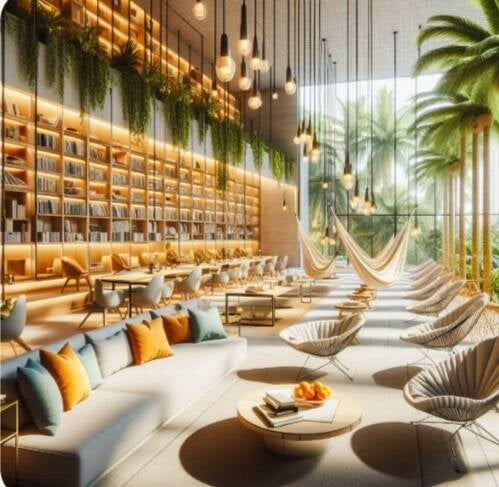
A hammock in the corner. A window seat with cushions. A daybed in a quiet room. Unexpected comfort signals that rest is valued.
People don't use these to disappear. They use them to recover. And recovery is work.
---
WHAT IT CREATES
The Walk-In Experience
You walk in and feel it before you know it. Calm. Clarity. The sense that someone cared about this space.
Nervous system downshifts. Cortisol decreases. The body recognizes: this is safe. This is intentional.
Sustained Focus
Natural light maintains circadian rhythm and melatonin regulation. Plants increase oxygen and reduce stress hormones. Quiet zones enable deep work. The result is sustained focus — not the crash-and-burn cycle of fluorescent-lit offices.
Creativity and Connection
Spaces designed with intention invite creativity. People have ideas in beautiful, calm environments. They connect more easily when there's room to gather and move.
Retention and Belonging
People stay in places where they feel valued. And ambiance is one of the first messages: do they value us here?
Health and Recovery
A space that honors the body — with rest zones, movement space, natural elements — becomes a place where people can actually recover during the day. This prevents burnout at the source.
---
GETTING STARTED
- Audit Your Current Space
- Walk through like a visitor. What's the first feeling? What's working? What depletes energy?
- Ask the team. Where do people naturally gather? Where do they avoid? What one change would most improve the space?
Oasis-Office always works what we have and adds simple cost-effective ways.
Natural Light
If you can't redesign everything, start here. More windows. Remove heavy curtains. Add skylights if possible. This single change cascades through everything else.
Layer in Plants
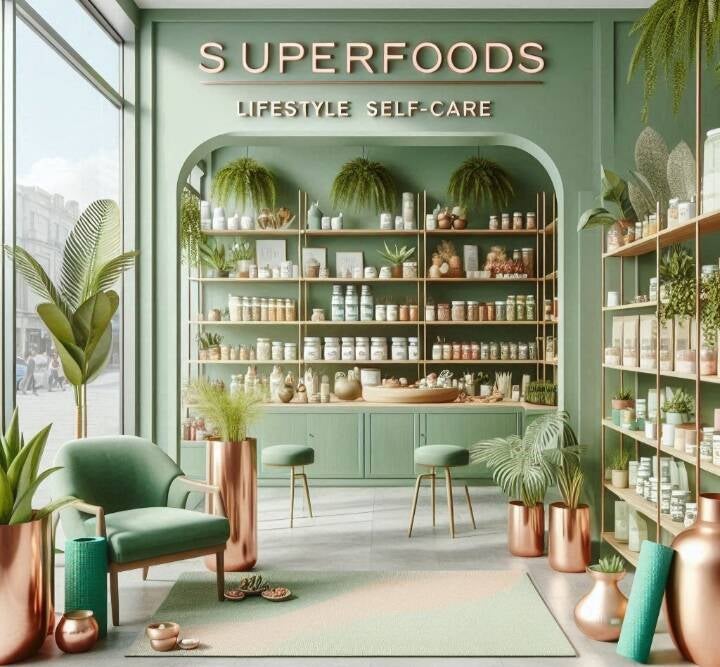
Living plants are inexpensive and transformative. Start with low-maintenance varieties (pothos, snake plant, ZZ plant). Position them throughout the space.
Define Zones Clearly
Even in a small space, you can create zones through furniture arrangement, lighting, and visual boundaries. Deep work area here. Calm corner there. Community table in the center.
Add Natural Materials and Textures
Wood, stone, unfinished metals, natural fabrics. Replace synthetic with natural where you can. One quality wooden desk beats five plastic ones.
Invite Beauty and Intention
Art that speaks to you. Mirrors that reflect light. Crystals or natural objects that carry meaning. Not cluttered. Not excessive. Just intentional.
---
THE FOUNDATION
Ambiance is where wellbeing begins. Before rhythm, before nourishment, before movement — people need to feel that their workspace was designed with care.
Physical space doesn't force change. But it invites it. A beautiful, intentional space creates conditions where people can think clearly, move freely, connect deeply, and recover fully.
That's sanctuary
---

Pillar 1 - Ambiance:
Biophilic design isn’t just aesthetic — it’s science-backed. Natural elements like light, plants, water, and outdoor access boost brain function, performance, and recovery. They’re preventive, not just pleasant.
Plants purify air and uplift mood. Caring for them together — watering, tending, noticing growth — becomes a quiet ritual of shared stewardship. It grounds people, reduces stress, sharpens focus, and reawakens creativity.
Add in gardens, mini-desk greens, zen spaces, indoor kitchens, outdoor access, and the subtle energy of stones — crystals as natural art, gifts from the earth — and you’re not just designing an office. You’re nurturing a living ecosystem that honors nature and the people within it.
Key elements::
- Biophilic Design
- Gemstone Touches
- Abundant Natural Light & Air
- Sounds of nature
- Aroma therapy diffusers
- Himalayan salt lamps
- Zen Gardens / Quiet Zones
- Feng Shui Flow
- Vintage and antique furniture
Ambiance is the quiet heartbeat of space—where light, texture, and stillness come together to create a sense of calm before a single word is spoken.
In a Zen-inspired office, it’s the soft rake of sand, the warmth of natural stone, and the hush of mindful design that invite focus and ease.
This is where environment becomes experience, shaping not just how a room looks, but how it feels to be in it.