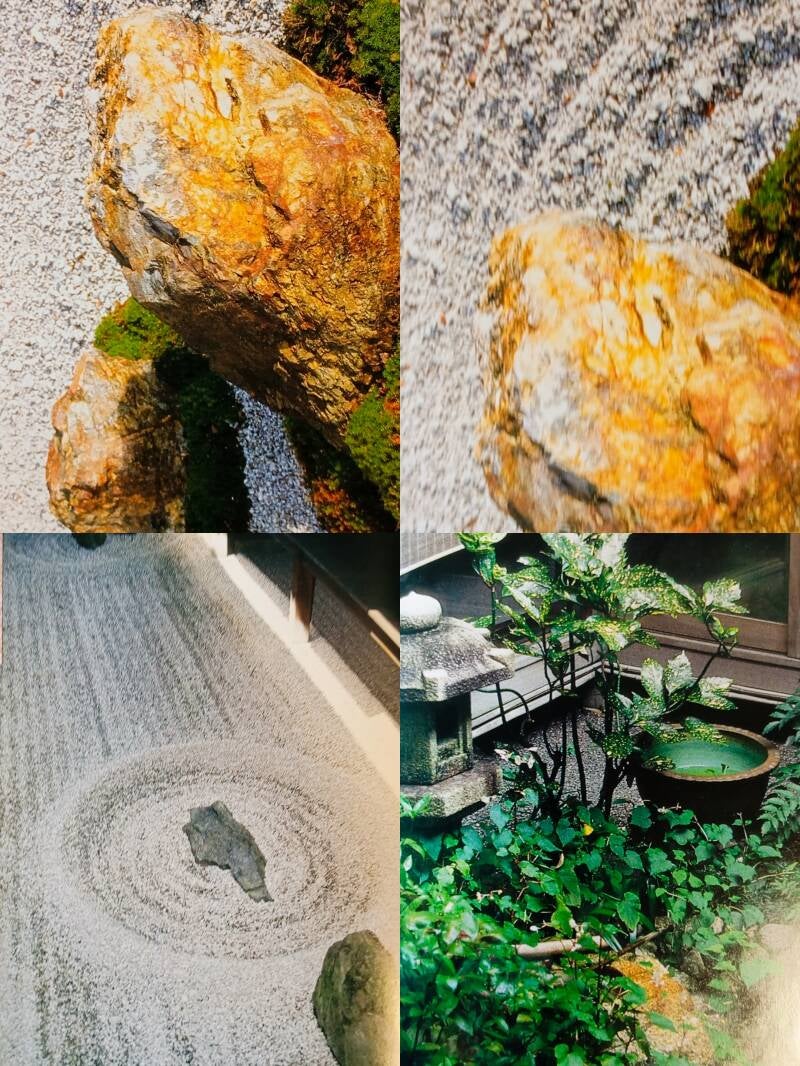
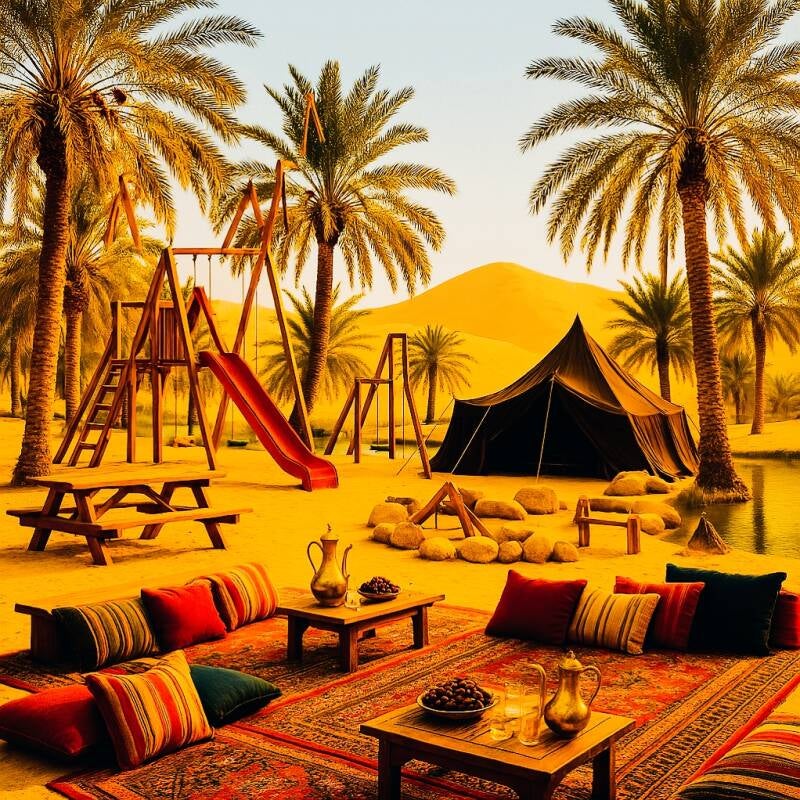
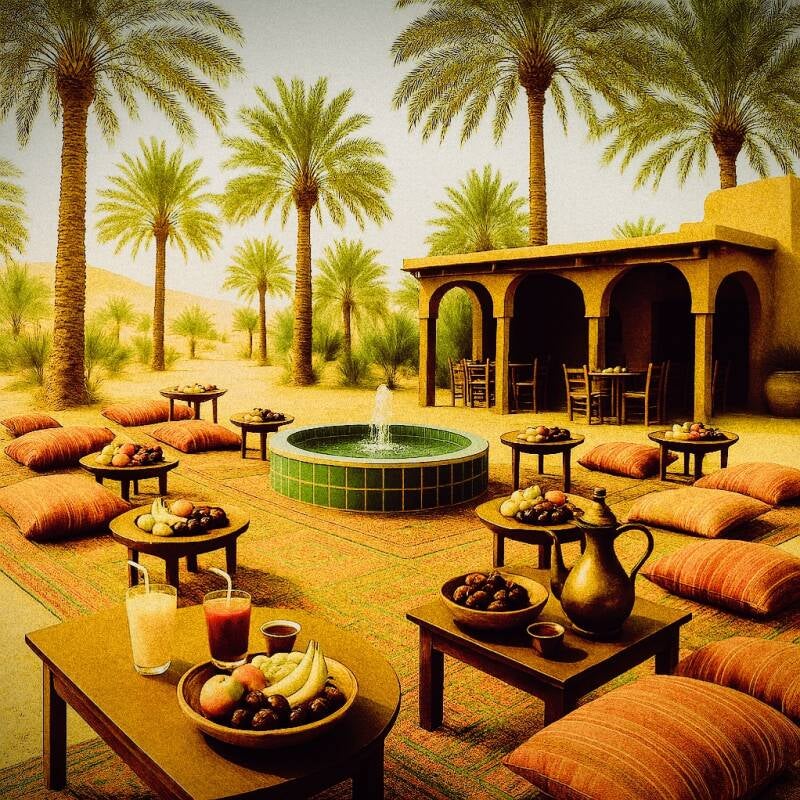
Outdoor office garden
Outdoor time, nature experiences, food-growing areas, and zen rock gardens enhance holistic office transformations by promoting biophilic living and wellnes.
These elements align with health-focused programs, supporting tranquility, productivity, and sustainability.
The garden offer versatile uses like remote workspaces, guest hosting, and team meetings while boosting the office's green footprint.
Key Benefits:
Nature exposure reduces stress, improves focus, and elevates mood through fresh air and natural light, countering indoor fatigue
- Physical health gains include more movement and vitamin D absorption
- Ideal for fitness-oriented groups like elderly or inactive active clients
- Mental wellbeing thrives in zen gardens, fostering mindfulness and resilience akin to corporate sustainability practices
- Guest receiving and meetings: Zen gardens or garden seating create calming, inclusive spots for collaboration and informal sessions
- Food growing for kitchen: Office gardens yield fresh, organic produce, tying into superfood smoothies and raw nutrition habits
Implementation Tips & Practical Applications of Outdoor remote workspaces:
- Equip with ergonomic furniture,
- Wi-Fi,
- Weather protection for year-round use, sparking creativity in brainstorming
- Start small with raised beds for easy food crops and a zen gravel area for tranquility, scaling to patios for remote work
- Integrate with biophilic design by adding native plants for air quality and habit-forming micro-breaks in nature.
- Family of employees invited to use the facility at Sundays
- Events
This setup lowers the carbon footprint while nurturing employee engagement.
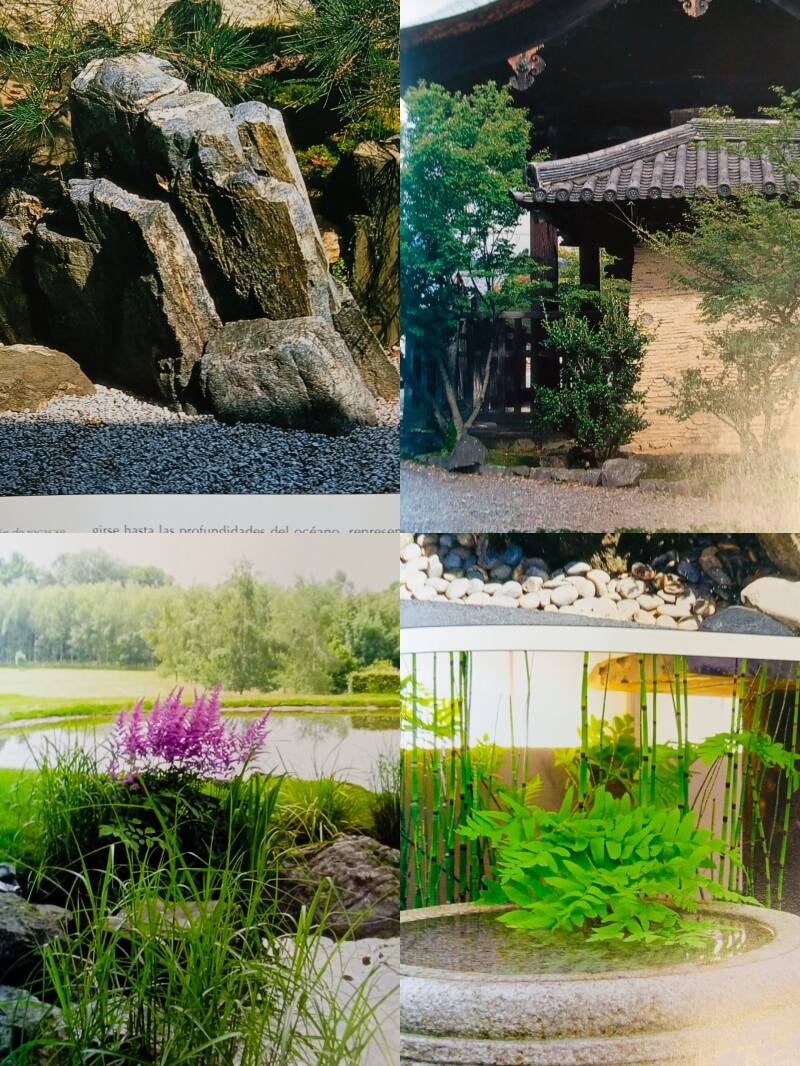
Regenerative agriculture
focuses on restoring and enhancing the health of ecosystems through practices that improve soil health, increase biodiversity, and promote sustainable farming. This approach not only helps combat climate change but also supports cleaner water and air, benefiting both the environment and communities
Pillar one > Ambiance: Outdoor gardens
- Zen garden elements
- Arab garden elements
- Functional gardens elements
- Maintenance
Drawing inspiration from the serenity and beauty of Japanese gardens, Holistic Oasis Office program infuses the essence of these tranquil spaces into the design of outdoor office areas.
By incorporating key elements and principles from Japanese and Arabic garden design, we can create harmonious and rejuvenating environments for employees to enjoy. Some of these elements include:
Zen garden elements
1. Balance and proportion:
Arranging plants, rocks, and other elements in a balanced manner to create a sense of harmony and visual appeal.
2. Simplicity and minimalism:
Emphasizing simplicity in design to evoke a sense of calmness and tranquility.
3. Incorporation of natural elements:
Utilizing plants, rocks, and water features to connect the outdoor space with the natural world.
4. Bamboo and stone elements:
Using bamboo as a versatile and visually appealing plant, along with stone lanterns, basins, and pathways to introduce traditional Japanese garden elements.
5. Secluded seating areas:
Creating small, private seating spaces to encourage quiet contemplation and relaxation, reminiscent of the intimate tea houses found in Japanese gardens.
Arab elements and desert-inspired features,
Holistic Oasis Office program designs outdoor spaces that evoke a sense of Middle Eastern charm and tranquility. Some elements that can be included are:
1. Palm trees:
As iconic symbols of the Arabian landscape, palm trees provide shade and a striking visual focal point.
2. Desert plants:
Including drought-tolerant plants like succulents, cacti, and desert flowers to create a low-maintenance, water-efficient, and visually appealing garden.
3. Water features:
Adding elements like reflective pools or small streams to represent the precious nature of water in a desert environment.
4. Shaded seating areas:
Creating comfortable, shaded areas for relaxation and socializing, reminiscent of traditional Arabic gathering spaces.
5. Desert-inspired materials:
Using natural materials such as sandstone, limestone, or terracotta in pathways, walls, or decorative elements to evoke the warm colors of the desert.
6. Arabic architectural elements:
Integrating features like arches, geometric patterns, or decorative screens inspired by Islamic art to add cultural charm and visual interest.
By combining these Arab and desert-inspired elements, Holistic Oasis Office program aims to design unique and inviting outdoor spaces that transport employees to a serene, oasis-like environment..
By blending these Japanese and Arab garden-inspired elements with contemporary office design, Holistic Oasis Office program aims to create beautiful and functional outdoor spaces that promote well-being and foster a stronger connection to nature.
Functional gardens
Office people in he Holistic Office have scheduled time for movements divided over the day in micro tasks.
Plilar 3 the 10 daily circuits
Task units: the functional units: watering plants